Soundscapes for Infant Sleep: Complete Guide
By Diego Martins • 9th Nov
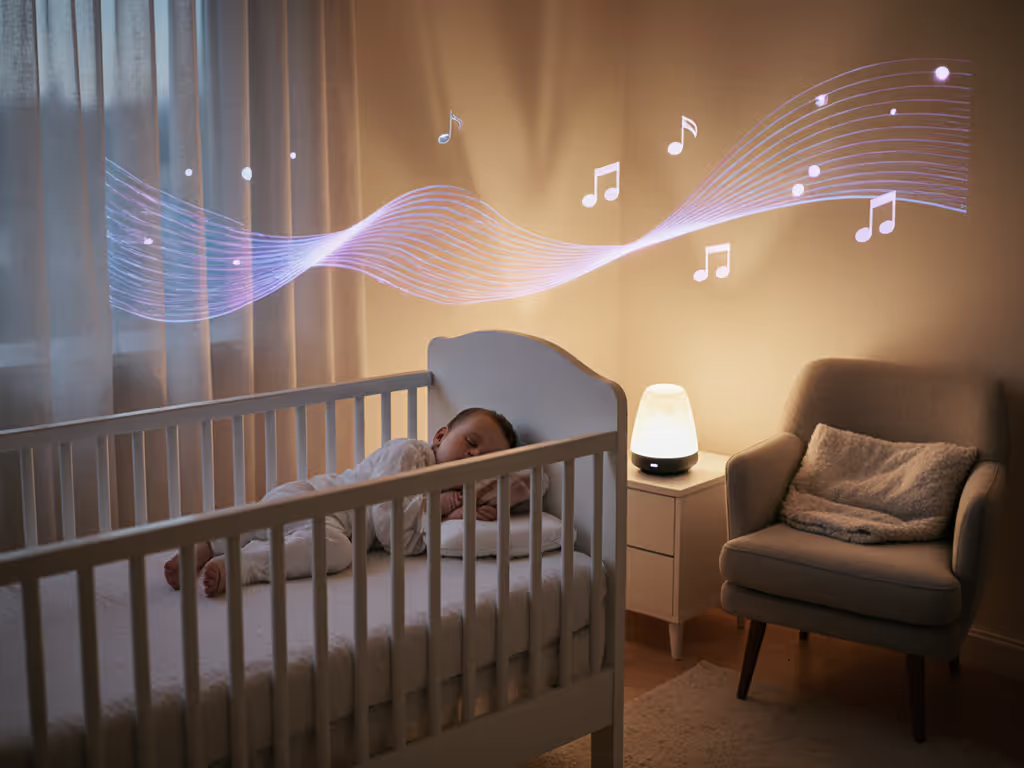
The right sounds can make a world of difference in how easily your baby falls and stays asleep. Studies show that infants exposed to carefully designed sound environments experience longer and more restful sleep cycles. For parents who struggle with sleepless nights, understanding how sound influences infant sleep is more than science—it is a practical tool. This article uncovers the core ideas behind soundscapes, explaining how thoughtful use of sound can help guide your child toward deeper, more predictable sleep.
Key Takeaways
| Point | Details |
|---|---|
| Understanding Soundscapes | Soundscapes consist of biophony, geophony, and anthropophony, each playing a role in influencing infant sleep quality. |
| Research-Backed Benefits | Curated sound environments can mask disruptive noises, regulate stress, and support infant neurological development. |
| Need for Precise Management | Safe use involves maintaining appropriate volume levels and sound profiles to avoid overstimulation and dependency. |
| Professional Guidance Recommended | Engaging sound engineers or sleep specialists can enhance acoustic environments to support optimal infant sleep conditions. |
Soundscapes for Infant Sleep Defined
Every parent knows the delicate dance of creating the perfect sleep environment for their infant. Soundscapes represent the complex audio landscape that surrounds your baby, composed of intricate layers of environmental sounds that can profoundly influence sleep quality and duration.
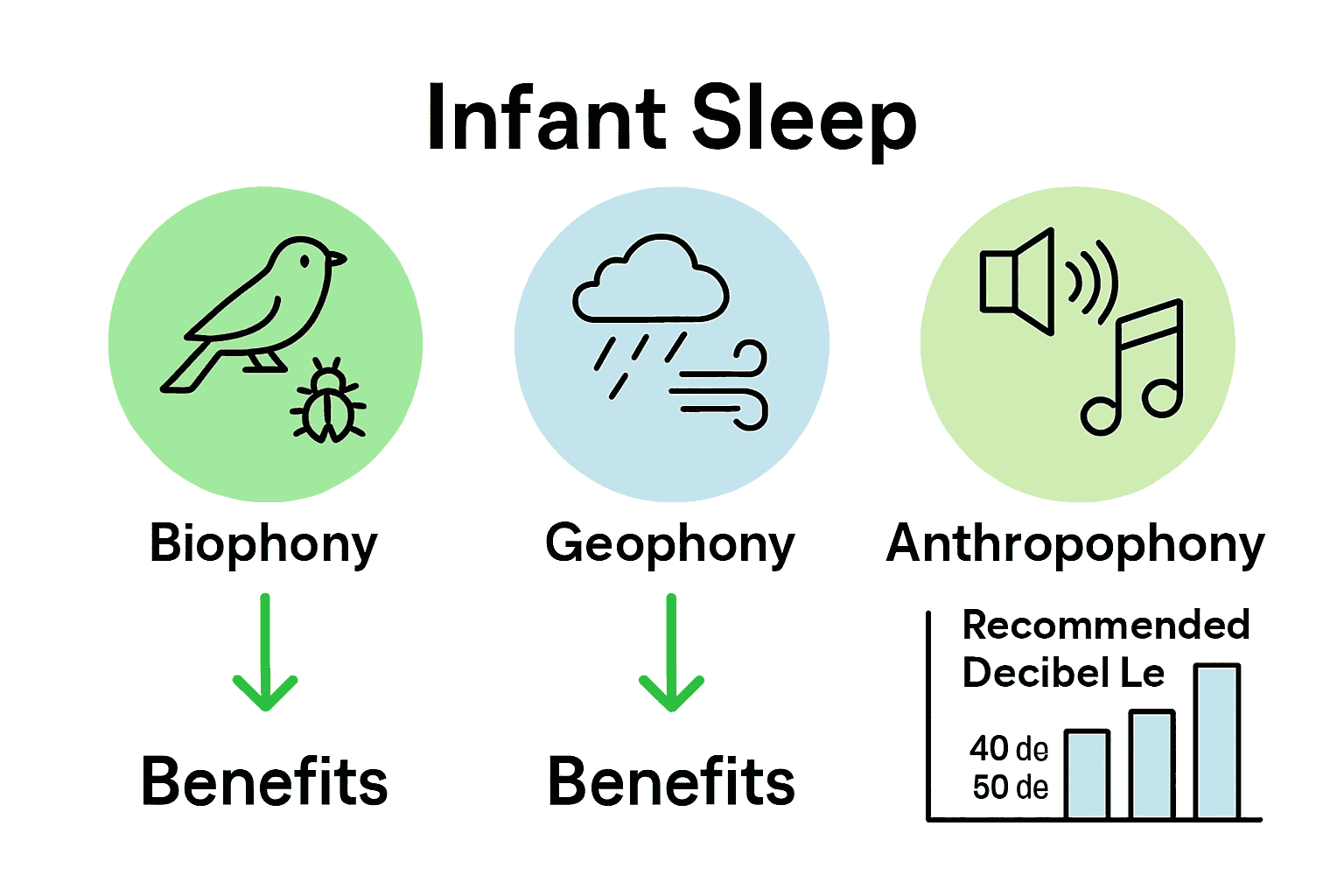
At its core, a soundscape encompasses three critical acoustic components: biophony (sounds from living organisms like birds or crickets), geophony (natural non-biological sounds such as wind or rainfall), and anthropophony (human-generated sounds like white noise machines or distant conversations). These sonic elements interact in sophisticated ways, potentially soothing or disrupting an infant's delicate sleep patterns.
Understanding soundscapes goes beyond simple noise management. Researchers have discovered that carefully curated sound environments can significantly impact infant neurological development and sleep cycles. Ambient music and specialized sound technologies leverage this understanding, creating acoustic environments designed to:- Mask disruptive background noises- Provide consistent sound frequencies that promote relaxation- Mimic natural rhythmic patterns similar to sounds experienced in utero- Regulate infant stress responses through controlled auditory stimulationProfessional sound engineers and pediatric sleep specialists now recognize soundscapes as powerful tools for creating optimal sleep conditions. Unlike traditional lullabies or basic white noise, modern soundscape technologies integrate scientific principles of acoustic engineering with developmental psychology, offering nuanced approaches to infant sleep support.
The goal isn't just sound production but strategic acoustic design. By understanding how different sound frequencies, rhythms, and intensities interact, caregivers can craft environments that gently guide infants toward more restful, regenerative sleep experiences.
Types of Soundscapes and How They Work
Soundscapes are sophisticated auditory ecosystems that go far beyond simple background noise. Each type of soundscape serves a unique purpose in creating an optimal acoustic environment for infant sleep, working through intricate mechanisms of sound perception and neurological response.
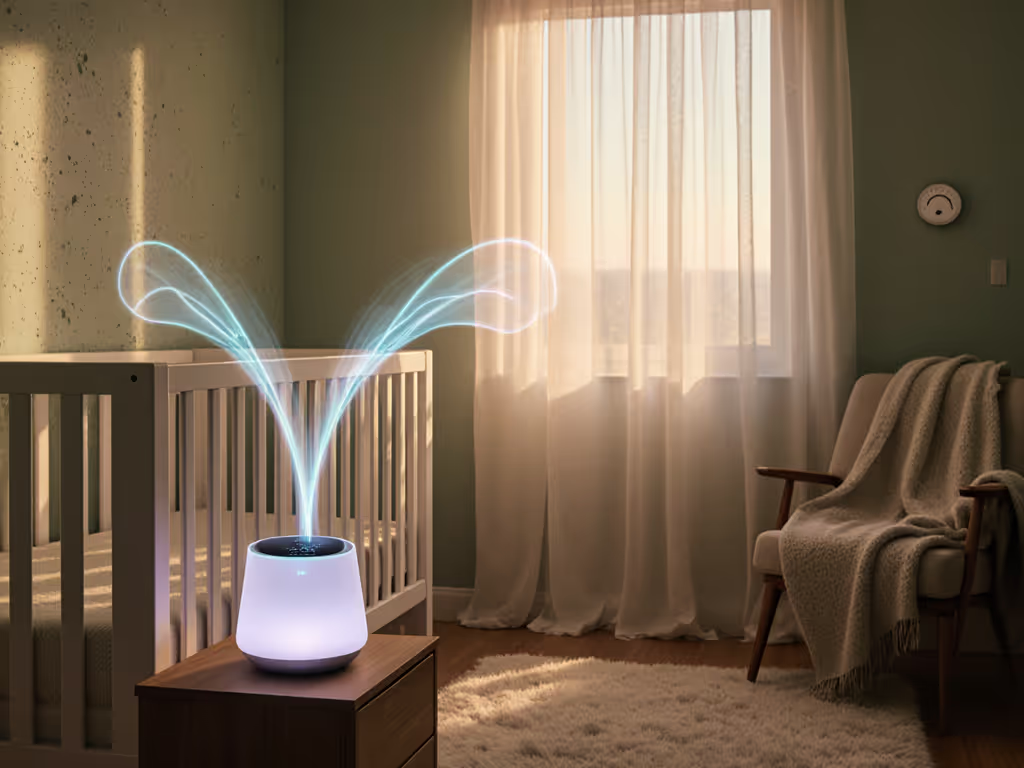
Three primary soundscape categories emerge as critical for understanding infant sleep acoustics: biophony, geophony, and anthropophony. Biophonic soundscapes include organic sounds from living organisms - think gentle bird chirps, soft insect rhythms, or distant animal calls. These sounds have evolutionary significance, often triggering subconscious relaxation responses that mimic prenatal auditory experiences. Geophonic soundscapes introduce natural environmental sounds like gentle rainfall, ocean waves, or soft wind patterns. These sounds create consistent background noise that can mask sudden environmental disruptions.
The most controllable soundscape category is anthropophonic, which encompasses human-generated sounds strategically designed for sleep support. This category includes:
- White noise: Uniform sound frequency that masks disruptive background sounds
- Pink noise: Softer sound spectrum with more balanced frequency distribution
- Brown noise: Deeper, richer sound frequencies resembling low rumbling
- Ambient music: Carefully composed sound layers promoting relaxation
Modern sound engineering has transformed these anthropophonic soundscapes into precise scientific tools.
Researchers now understand that specific sound characteristics like frequency, amplitude, and consistency can directly influence infant neurological patterns. The right soundscape doesn't just cover noise - it actively guides an infant's transition into deeper, more restorative sleep states by creating a predictable, soothing auditory environment.
Measured Decibel Profiles in Real Homes
Acoustic measurements reveal a startling truth about infant sound environments: what parents perceive as quiet can actually be surprisingly noisy. Sophisticated research using infant-worn recording devices has transformed our understanding of real-world soundscapes, uncovering complex acoustic landscapes that can significantly impact infant sleep and development.
Research involving 22 families demonstrated remarkable variability in home sound environments. Decibel profiles aren't uniform - they fluctuate dramatically based on factors like room layout, household activities, and proximity to noise sources. Microphone studies placed directly at infants' ear levels showed that background noise levels can range from 40 to 70 decibels, a spectrum wide enough to potentially disrupt delicate sleep patterns.
Key insights from advanced acoustic research highlight critical measurement parameters:
- Proximity matters: Sound levels change dramatically within inches of an infant's position
- Time-based variations: Noise levels shift significantly throughout daily cycles
- Source diversity: Multiple simultaneous sound sources create complex acoustic interactions
- Environmental factors: Room size, furniture, and wall materials dramatically influence sound propagation
Professional acoustic engineers now recommend comprehensive sound mapping techniques that go beyond simple volume measurements. These advanced approaches analyze sound frequency, duration, suddenness, and contextual disruption potential. By understanding these nuanced acoustic signatures, caregivers can create more predictable, sleep-supportive environments that protect infants from potentially harmful sound exposures.
Benefits and Drawbacks for Infant Sleep
Soundscapes represent a powerful yet nuanced tool in infant sleep management, offering remarkable benefits while simultaneously presenting potential risks that demand careful, informed navigation. Understanding the delicate balance between sound support and potential acoustic disruption is crucial for creating optimal sleep environments.
The positive impacts of well-designed soundscapes are substantial. Carefully curated acoustic environments can help regulate infant physiological responses, reduce stress markers, and create predictable sleep transitions. Specialized sound technologies have demonstrated ability to:
- Mask sudden environmental noises
- Provide consistent neurological calming signals
- Mimic intrauterine sound experiences
- Stabilize heart rate and breathing patterns
However, soundscapes are not without potential drawbacks. Excessive or improperly implemented sound interventions can create unexpected challenges. Research utilizing multi-modal wearable devices has revealed that inappropriate sound exposure can negatively impact infant sleep architecture, potentially disrupting critical developmental neurological processes. Risks include:
- Overstimulation of auditory processing systems
- Potential hearing sensitivity development issues
- Interference with natural sleep cycle progression
- Creation of dependency on external sound environments
The key lies in precision and moderation. Professional acoustic engineers emphasize that soundscape implementation is not about volume or constant noise, but about creating scientifically calibrated, gentle acoustic environments that support natural infant neurological development. Careful, informed sound management can transform potential acoustic risks into powerful developmental support mechanisms.
Safe Use Guidelines and Common Mistakes
Sound machine safety for infants requires more than simply purchasing a device and pressing play. Sophisticated acoustic research has revealed a complex landscape of potential risks and critical considerations that every caregiver must understand to protect their child's auditory and neurological development.
Key safe use guidelines emerge from extensive pediatric acoustic research, providing a comprehensive framework for responsible sound machine deployment. Professional recommendations include:
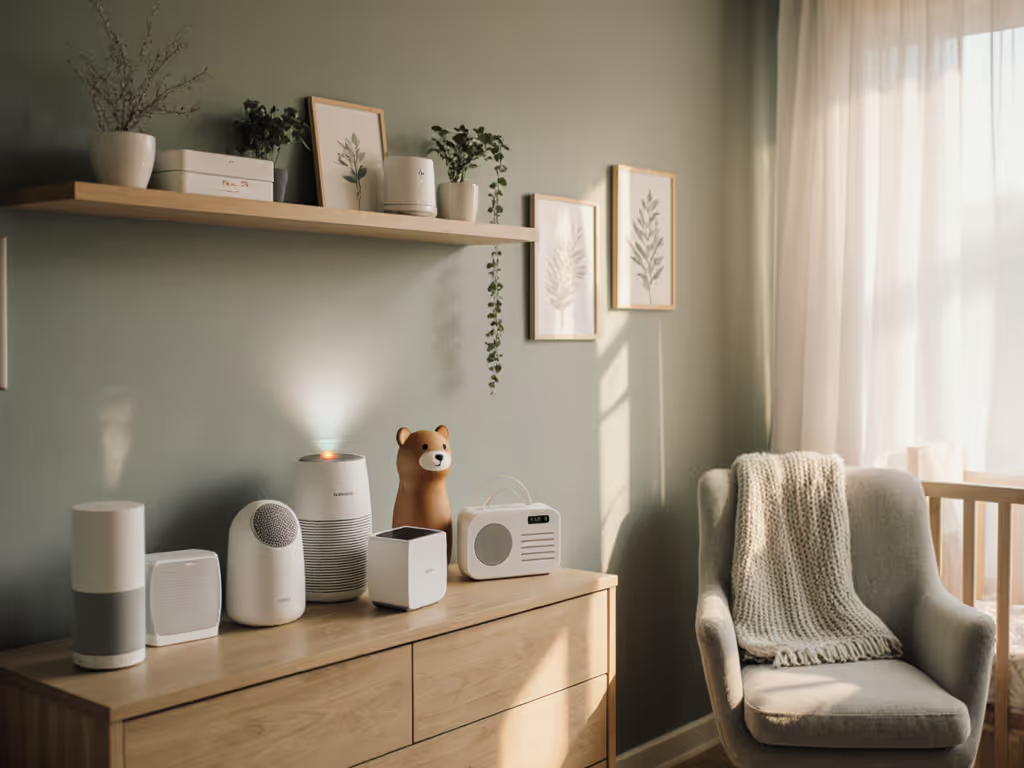
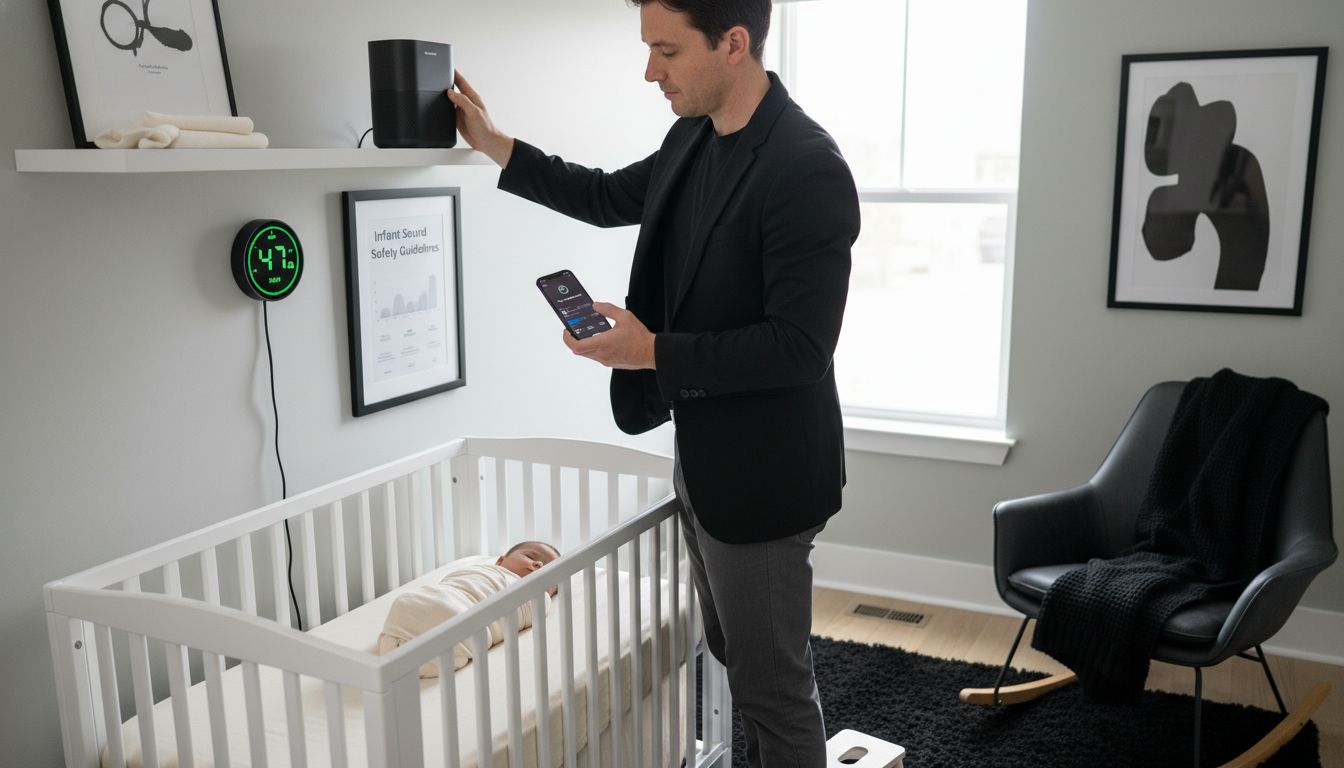
- Position sound devices at least 3-4 feet from the infant's sleeping area
- Maintain volume levels below 50 decibels (approximately library noise levels)
- Use consistent, smooth sound profiles that minimize sudden frequency changes
- Regularly rotate and vary sound types to prevent auditory adaptation
- Avoid continuous overnight exposure beyond recommended durations
Common mistakes can transform well-intentioned sound support into potential developmental risks. Parents frequently overlook critical nuances like acoustic complexity and sound variability. Inappropriate sound machine usage can lead to unintended consequences such as:
- Creating artificial sound dependency
- Masking important environmental awareness signals
- Potentially disrupting natural neurological development patterns
- Causing unexpected auditory processing challenges
Professional acoustic engineers emphasize that soundscape management is a precision science. The goal isn't constant noise, but creating gentle, scientifically calibrated acoustic environments that support natural infant neurological processes. Careful, informed sound management transforms potential acoustic risks into powerful developmental support mechanisms.
Create the Perfect Soundscape for Your Baby's Sleep
Understanding the intricate soundscape around your infant is crucial to ensuring restful and healthy sleep. This article highlights just how complex environmental sounds can influence your baby's neurological development and sleep quality. If you are struggling with noisy home environments, sudden disruptions, or want to avoid overstimulation and sound dependency, you need precise, data-driven solutions designed specifically for infants' delicate ears.
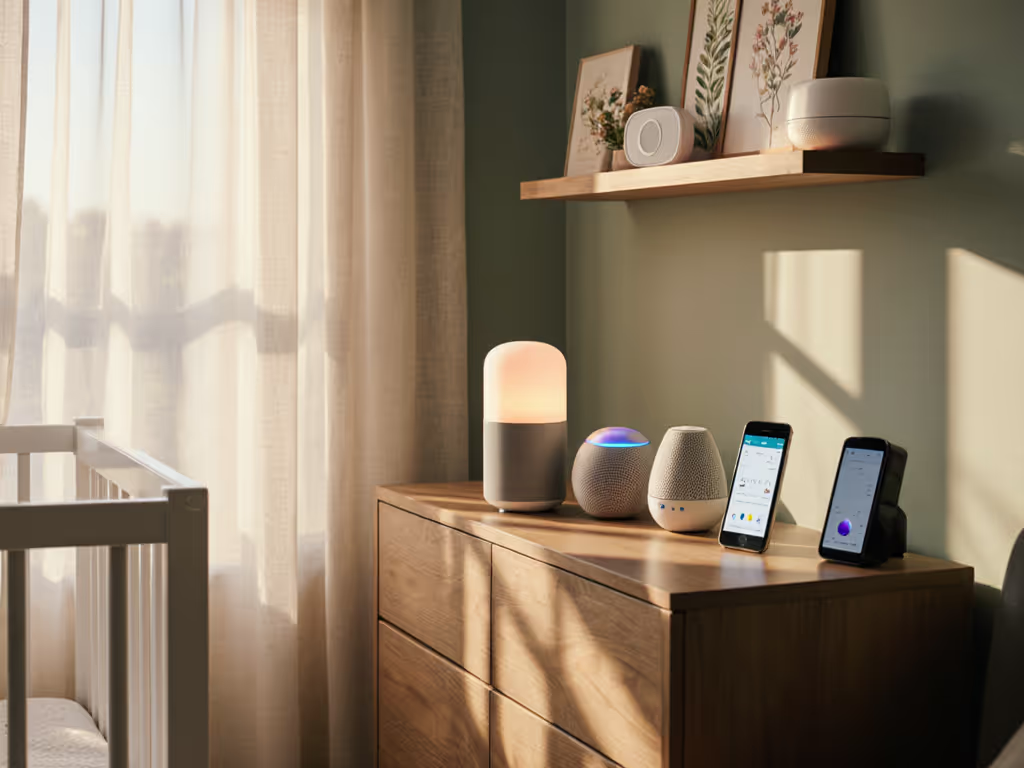
Our Acoustic Lab for Little Ears bridges science and everyday life by blending lab-measured decibel profiles with real-home testing to recommend environment-specific sound machines and soundscapes. Learn how to mask disruptive noises without risking auditory sensitivity and how to create a soothing, predictable auditory space that supports your baby’s natural sleep cycle. Explore expert tips and product recommendations at https://babysoundmachines.me.
Ready to transform your baby's sleep environment with safe, scientifically calibrated sound solutions Visit Our Acoustic Lab for Little Ears now to discover the best sound machines backed by real research and parent feedback. Do not wait until noise disrupts another night of sleep Take the first step toward quieter nights and happier days today.
Frequently Asked Questions
What are soundscapes and how do they affect infant sleep?
Soundscapes are complex audio environments comprised of biophony, geophony, and anthropophony. They can significantly influence an infant's sleep quality and duration by creating soothing auditory experiences that help mask disruptive noises and promote relaxation.
What types of soundscapes are beneficial for infant sleep?
Beneficial soundscapes include biophony (natural sounds from living organisms), geophony (natural environmental sounds), and anthropophony (human-generated sounds like white noise, pink noise, brown noise, and ambient music). Each serves a unique purpose in supporting relaxation and sleep.
How loud should sound machines be for infants?
Sound machines should be maintained at volume levels below 50 decibels, which is similar to library noise levels. This helps protect an infant's hearing and ensures that the sound environment is supportive without being overstimulating.
What common mistakes should parents avoid when using sound machines?
Parents should avoid creating artificial sound dependency, masking important environmental awareness signals, and using sound machines continuously without variation. It's important to maintain appropriate sound exposure levels to prevent potential disruptions to natural sleep patterns and neurological development.
Related Articles