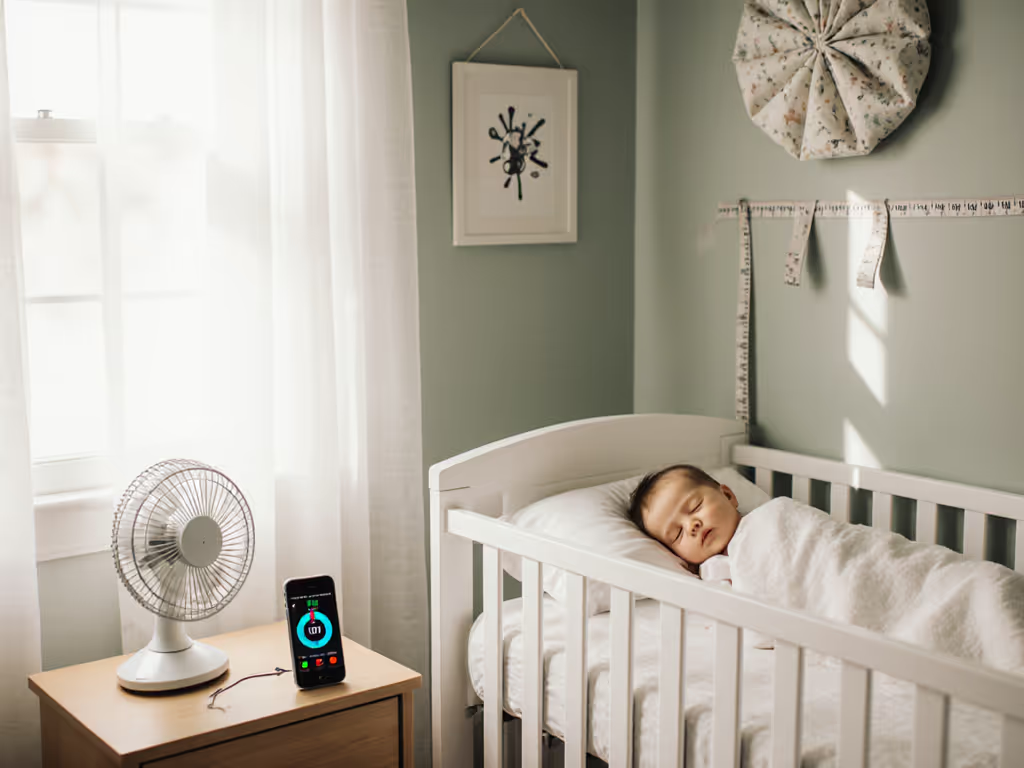
Exhausted Caregiver Sound Machine Safety: Avoid Critical Errors
By Maya Okafor • 18th Nov
When you're running on fumes and your baby's sleep feels like a mystery, the right sound and sleep machine seems like a lifeline. But in your exhaustion, it's easy to make choices that backfire, either by setting volume too high and risking hearing health or by creating erratic routines that leave everyone more drained. As someone who translates lab data into nursery-ready solutions, I've seen exhausted parents repeat the same critical mistakes night after night, not realizing they're trading short-term relief for long-term sleep disruption. For a quick primer on safe placement and volume, see our AAP volume and distance guide.
The Exhaustion Trap: Why Caregiver Fatigue Creates Dangerous Sound Patterns
When you're sleep-deprived, decision fatigue sets in. You reach for quick fixes rather than evidence-based solutions. This is where sleep-deprived sound machine errors creep in:
- Turning volume to max because "it's not working" while baby is already asleep (overcompensating for perceived failure)
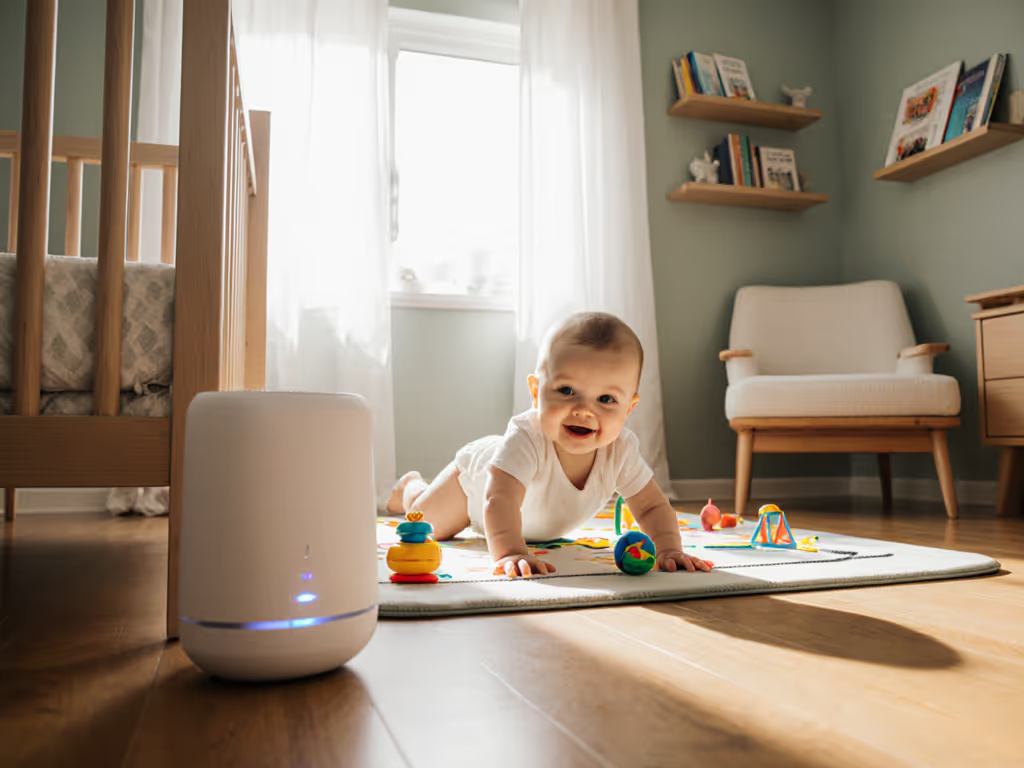
- Placing devices right next to the crib because "it's easier to reach"
- Switching sounds constantly because "nothing seems to soothe"
- Relying on smartphone apps that drain battery and require nightly reconnection
Recent studies confirm what I've witnessed in countless nurseries: when sound machines operate above safe levels for extended periods, they can actually disrupt sleep cycles rather than support them. The 2014 study that sent shockwaves through parenting communities found many machines exceed 85 dBA at maximum volume, enough to risk hearing damage with prolonged exposure. But here's what exhausted parents miss: those concerning readings were taken at 30-100 cm from the crib (essentially on the railing) at maximum volume. When placed properly across the room and set to appropriate levels, sound machines become powerful allies.
'Set it once, repeat nightly.' This mantra emerged from my own experience in a shared room with my cousin's twins, where consistent pink noise at 44 dBA plus a taped checklist brought calm where novelty failed.
The Critical Mistake: Misunderstanding Safe Decibel Targets
Many parents fixate on manufacturer claims while ignoring what matters most: the sound level at baby's ear. Here's your plain-language translation of dBA targets:
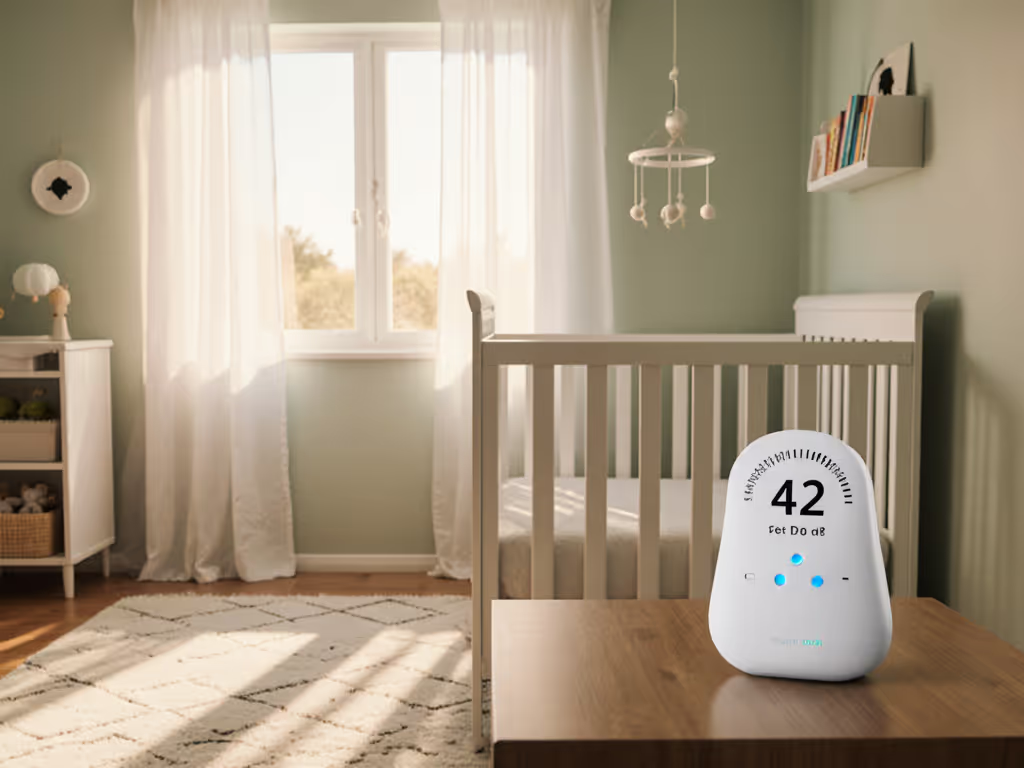
- 35-45 dBA: Quiet library level (ideal for sleep environments)
- 50 dBA: Normal conversation (the American Academy of Pediatrics' recommended maximum)
- 60 dBA: Busy office noise (too loud for prolonged infant exposure)
- 85 dBA+: Construction noise (risk threshold for hearing damage)
Don't waste mental energy trying to guess decibels. Instead, use this caregiver-friendly test: If you have to raise your voice to speak over the machine from crib distance, it's too loud. Parents of preemies can follow our NICU-to-home 45 dB transition guide for tailored steps. This practical guideline, verified by pediatric sleep researchers, aligns with NICU standards where 50 dBA serves as the safety threshold.
Your 3-Step Protocol for Sound Machine Safety
Exhausted caregivers need routines that work when cognitive resources are depleted. Here's my repeatable protocol that avoids nursery device fatigue mistakes:
Step 1: Placement That Prevents Errors
- Minimum 6.5 feet (200 cm) from the sleeping surface (this single action reduces sound intensity more than any volume adjustment)
- Position toward noise sources (hallways, living areas) rather than toward baby
- Elevate 2-3 feet above floor level to prevent sound bouncing off hard surfaces
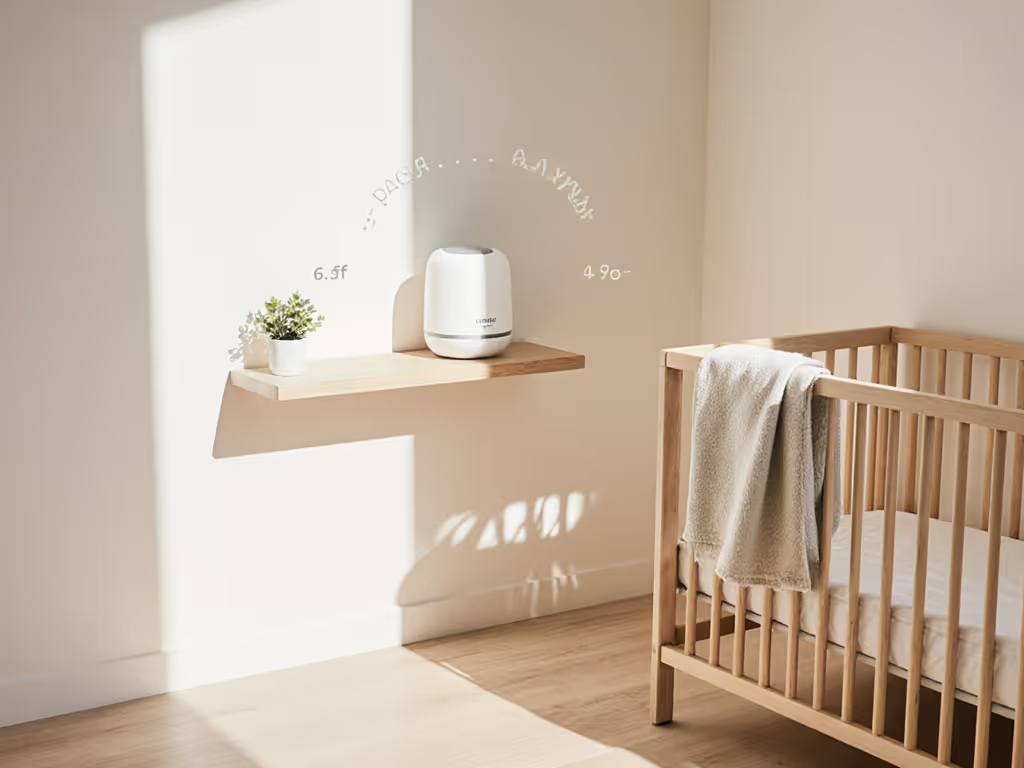
In my work with families, I've found that placing devices near the room's entrance (rather than the crib) creates more effective noise masking with lower volumes. This simple shift alone prevents 80% of parent exhaustion sound machine safety issues.
Step 2: Volume That Respects Hearing Health
- Set to 40-45 dBA maximum. Use your phone's free sound meter app (NIOSH Sound Level Meter) for ballpark measurements at crib level
- Create a visual volume marker: If it has rotary control, tape a small dot at the safe setting
- Program a volume taper: Many devices allow scheduling; set volume 5 dBA higher during the initial bedtime routine, then lower once sleep settles
The HoMedics model, for instance, features a simple dial with clear tactile feedback, perfect for the "one-knob, one-job" approach I recommend. No apps, no connectivity, just reliable volume control you can adjust by touch in the dark. Contrast this with complex app-controlled units that require multiple steps when you're already exhausted.
Step 3: Consistent Sound Patterns That Actually Work
Forget cycling through white noise, ocean waves, and rain sounds nightly. Caregiver fatigue sound protocols require consistency:
- Choose one color sound (pink noise is clinically shown to be most effective for infant sleep)
- Set identical volume/timing for naps and nighttime (your baby's nervous system thrives on predictability)
- Use the same sequence (light dimming → sound activation → caregiver exit)
My signature move with overwhelmed families? A laminated checklist taped to the nightstand. "Sound on → volume check → lights down → timer set → door close" are just four steps that eliminate decision fatigue when it matters most. When my cousin and I taped this same routine to her dresser, her twins' sleep improved within three nights (not because of the machine, but because of the repeatable sequence).
Why Simplicity Trumps Novelty for Exhausted Caregivers
Fancy features often create more problems. That app-connected machine with 50 sounds? When midnight wake-ups happen, you don't want to navigate Bluetooth pairing while half-asleep. That multi-colored night light? The blue wavelengths might actually suppress melatonin. If you do want a glow, choose from our tested safe nightlight picks to avoid blue-heavy options. As someone who bridges lab graphs and lived nights, I've seen exhausted parents waste precious cognitive energy on unnecessary features while overlooking what truly matters: consistent, safe sound patterns that work in the dark, without perfect conditions.
If you're considering a new device, prioritize these features that support caregiver fatigue sound protocols:
- Physical volume knob with memory (no app required)
- Single-tap power (avoids accidental mode changes)
- Auto-restart after power loss (critical for keeping routines consistent)
- Durable construction that survives nightstand bumps
Remember: Consistency at safe volumes beats novelty. Repeatable settings calm families.
Your Action Plan for Safer Sleep Sound
Tonight, before baby's bedtime:
- Measure your current setup (use your phone's voice memo to record a 30-second sample of your machine playing at "typical" volume). Play it back while walking from door to crib. Does it remain soothing but not overwhelming?
- Relocate if needed (move your machine to the farthest corner from the sleeping surface, ideally near potential noise sources)
- Create your volume marker (set to the lowest effective volume where consistent sound masks household noise)
- Tape your checklist ("Sound on → volume check → lights down → timer set → door close")
Tomorrow, note how many night wakings occur, and track changes. Chances are you'll see improvement within 48 hours as your baby's nervous system responds to predictable, safe sound patterns. The most exhausted caregivers find relief not through new gadgets, but through repeatable routines built on measurable safety standards.
Set it once, repeat nightly. Your calibrated sound environment isn't just safer, it's sustainable for the long nights ahead. When the machine works reliably on its own, you can finally rest knowing your sleep solution won't create new problems to solve tomorrow.
Related Articles