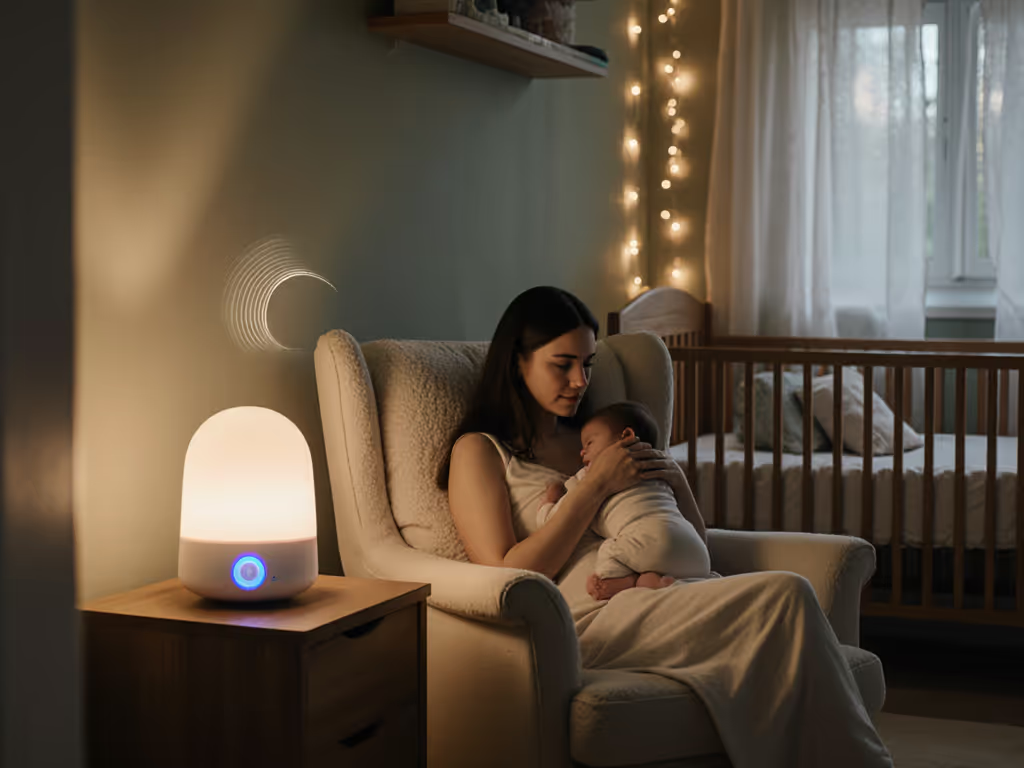
Chronic Illness Sound Machine Energy Conservation Guide
By Noor Al-Masri • 13th Jan
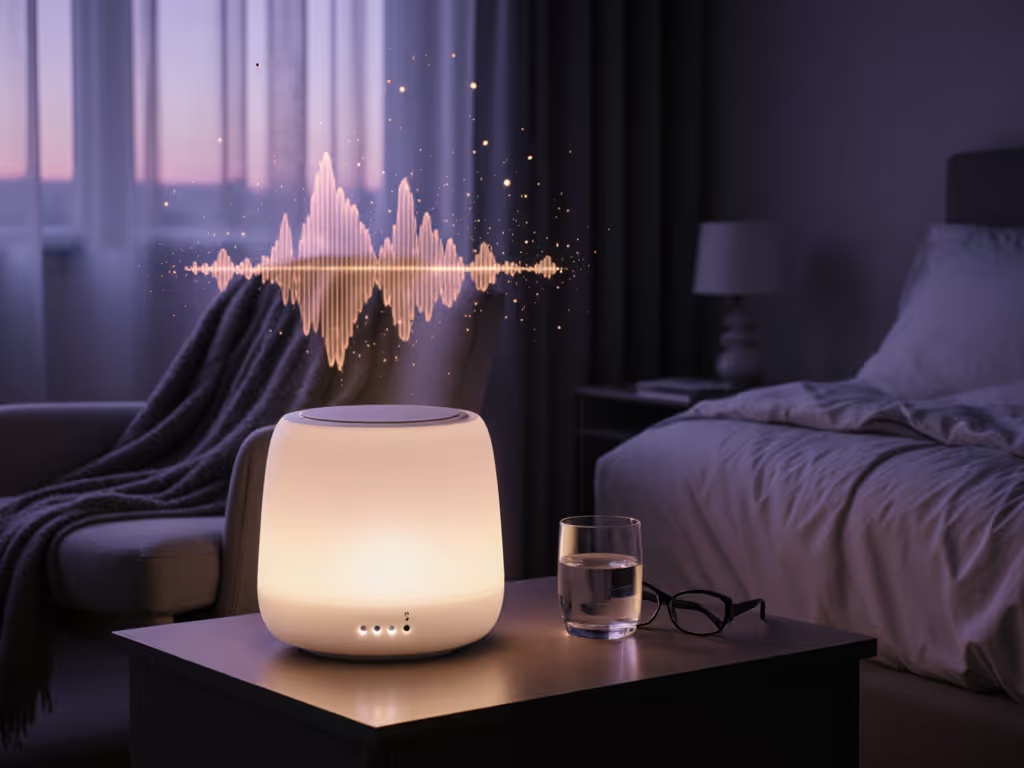
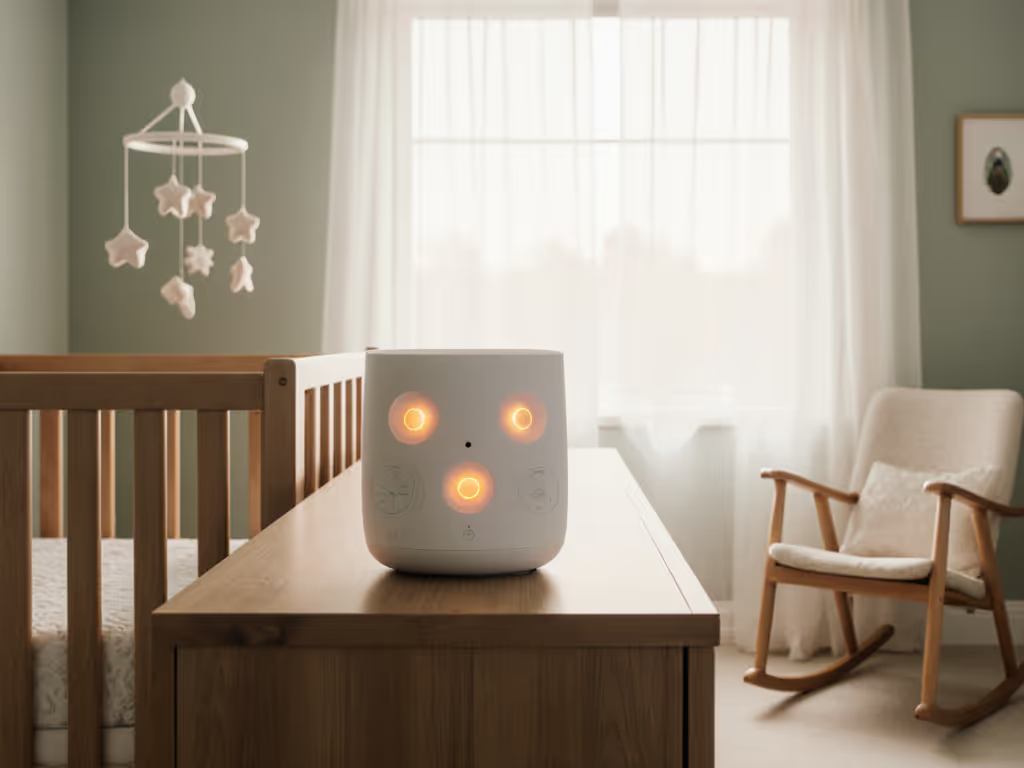
For parents managing chronic illness alongside infant care, a well-deployed chronic illness sound machine can be your most strategic tool for energy-conserving sleep. When fatigue threatens to derail your day, proper sound environment management isn't just helpful, it's essential for preserving precious spoons. I've seen countless parents transform their limited energy reserves through precise auditory setup, including one mother with rheumatoid arthritis who gained two additional productive hours daily simply by optimizing her nursery's sound environment.
Pack light, sleep right.
Why Sound Matters in Chronic Illness Energy Management
Research consistently demonstrates how environmental noise directly impacts energy recovery. A recent PubMed study analyzing hospitalized adults found that "white-noise and other similar masking noises seem to improve sleep efficiency" with "good tolerability." While conducted in medical settings, these findings translate powerfully to home environments where chronic illness patients battle sleep disruption.
For those managing long-term conditions like fibromyalgia, autoimmune disorders, or post-viral syndromes, fragmented sleep accelerates energy depletion. Each nighttime awakening costs you precious recovery time that chronic illness warriors simply cannot afford to lose. Properly calibrated sound environments create the consistent auditory backdrop needed to minimize these disruptions.
The Two-Minute Room Reset: A Step-by-Step Protocol
Step 1: Establish Your Baseline with Measurable Targets
Before implementing any sound solution, document your current sleep pattern for three nights:
- Track awakenings with a simple tally sheet
- Note energy levels upon waking (1-5 scale)
- Record environmental noise sources (traffic, household sounds)
- Measure current room noise levels with a free decibel app
This data-driven approach reveals precisely where your energy leaks are occurring. For parents with chronic pain, even subtle nighttime disruptions accumulate into significant daytime disability.
Step 2: Select the Optimal Sound Profile for Your Condition
Not all noise colors serve identical purposes. Understanding frequency profiles helps match sound therapy to specific energy conservation needs:
- White noise: Best for masking sudden, high-frequency disruptions (slamming doors, barking dogs)
- Pink noise: Lower-pitched, natural-sounding, ideal for chronic pain sleep management as it reduces neural irritation
- Brown noise: Deeper frequencies that help with anxiety-related disruptions common in long-term illness
A 2021 New York City study found "white noise significantly improved sleep based on subjective and objective measurements in subjects complaining of difficulty sleeping due to high levels of environmental noise." For chronic illness warriors, this translates to more continuous rest cycles and preserved morning energy reserves.
Step 3: Precision Placement and Safe Volume Calibration
The critical difference between effective energy conservation and potential harm lies in precise placement and volume:
- Position sound source at least 7 feet from sleep area
- Target 45-50 dBA at sleeping position (measured with smartphone app)
- Never exceed 55 dBA for infant sleep environments
- Test placement at actual sleeping height (crib mattress level)
Remember: volume doubles with each 10 dBA increase. For pediatric placement and volume best practices, see our AAP-based volume and distance guide. That 60 dBA setting might seem quiet across the room but could be dangerously loud at crib level. For parents managing chronic fatigue, this precision prevents the "I feel worse after using a sound machine" paradox.
Step 4: Create Environment-Specific Presets
Your repeatable settings should account for different scenarios:
- Home nursery: Pink noise at 46 dBA, continuous loop
- Travel setup: White noise at 48 dBA, battery-powered device
- Shared living spaces: Brown noise at 50 dBA to mask mid-frequency disturbances
- Pain flare protocol: Lower volume (43 dBA), pink noise only
This is where my "two-minute room reset" system shines. During a red-eye flight to Chicago, something as simple as painter's tape, a travel diffuser, and a small machine set to 46 dBA carved out restful space amidst hotel chaos. For parents with long-term illness, recreating this consistency across environments prevents the energy drain of constant adjustment.
Chronic Illness-Specific Sound Strategies
Managing Shared Sleeping Environments
For families navigating disabled parent nursery solutions, sound machines become essential mediators between competing needs. Consider these fatigue-reducing sound strategies:
- Place sound machine between sleeping areas to create acoustic boundaries
- Use directional speakers focused toward the infant's space
- Implement different sound profiles for different sleepers (e.g., pink noise for baby, brown for parent)
- Create a "quiet zone" with strategically positioned bookshelves or furniture
These adjustments transform shared rooms from energy drains to restorative spaces, directly supporting your chronic pain sleep management goals. For multi-child setups and precise placement, use our shared room sound zoning guide.
Travel Adaptations for Energy Preservation
Frequent medical appointments mean parents with chronic illness often face disrupted routines. If you travel often, compare portable vs stationary machines to choose the right kit. Your portable sound kit should include:
- Battery-powered sound machine with 8+ hour runtime
- Adhesive-backed velcro strips for secure placement
- Custom volume marking on device (prevents guesswork during flare-ups)
- Compact white noise fan as backup option
When hotel walls prove too thin, this portable system ensures your sleep environment remains consistent, preventing the energy crash that follows disrupted rest.
Measuring Your Energy Conservation Success
After implementing your sound system, reassess using the same metrics from Step 1. Look for:
- 20% reduction in nighttime awakenings
- 15% improvement in morning energy levels
- Decreased need for daytime rest periods
- Fewer pain flare-ups triggered by poor sleep
These measurable outcomes confirm whether your chronic illness sound machine setup delivers genuine energy conservation. Without this feedback loop, you're guessing rather than optimizing (a luxury few chronic illness parents can afford).
The Energy-Conserving Sleep Cycle
When executed properly, your sound environment creates a positive cycle:
- Consistent sound profile signals brain it's sleep time
- Masked disruptions prevent partial awakenings
- Deeper sleep cycles restore energy reserves
- Preserved energy allows better chronic illness management
- Reduced symptom burden further improves sleep quality
This self-reinforcing pattern directly addresses the core challenge of long-term illness baby care: how to maintain caregiving capacity while managing your own health limitations.
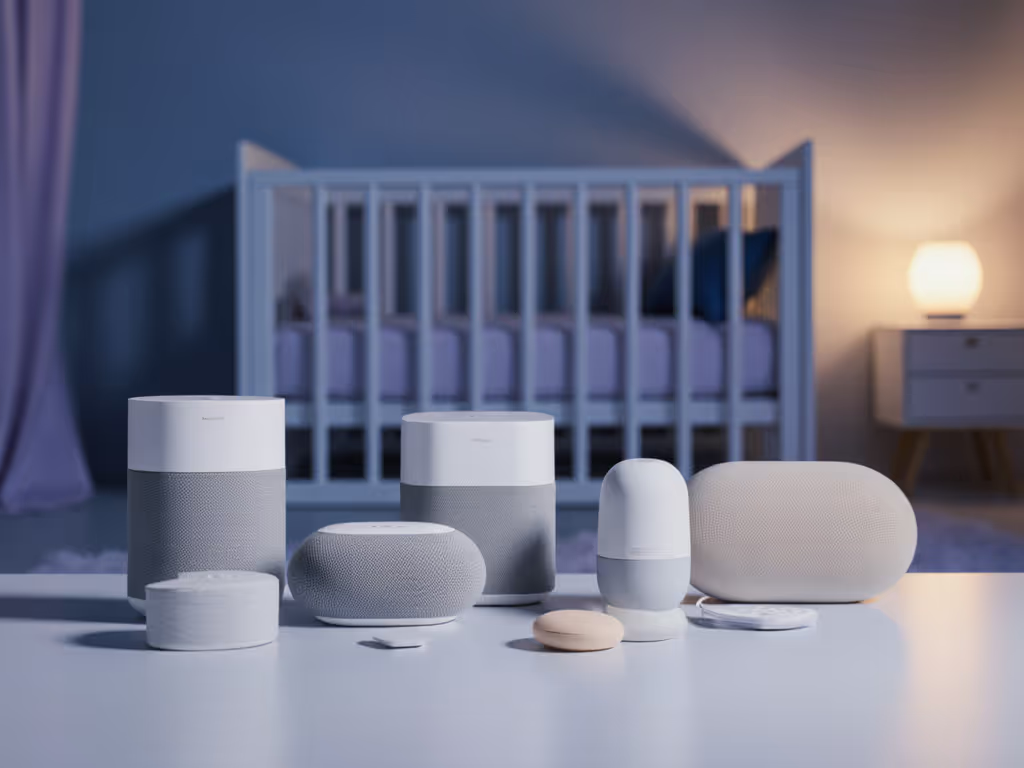
Make Any Room Familiar: Your Action Plan
- Measure once: Document your current sleep environment with simple metrics
- Pack light: Create a portable kit with your essential sound tools
- Repeat: Implement the same settings across all environments
This protocol transforms your relationship with sleep from energy drain to energy restoration. For parents managing chronic conditions, that difference isn't just meaningful, it's transformative.
For your immediate next step, spend five minutes tonight measuring your current sleep environment's noise levels. This single data point creates the foundation for meaningful energy conservation. Remember: when you're managing chronic illness, the difference between surviving and thriving often comes down to how well you protect your rest.
Make any room familiar: pack light, measure once, repeat.
Related Articles